|
|
|
|

|
FROM THE CONSURTIUM
A message from the Design2Freedom Consortium
|
|
|
|
|
It is with great pride and emotion that the Design2Freedom consortium presents this final newsletter, marking the end of three years of collaboration across five countries.
|
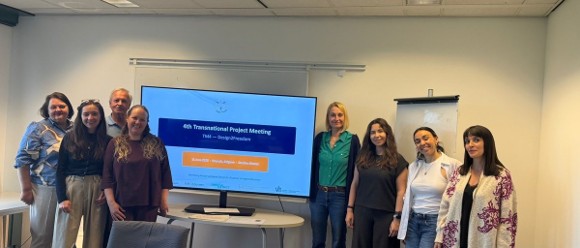
On June 11th, we gathered for the last time at the Creative District offices in Brussels for our final Transnational Meeting (TM4). It was a moment to look back on everything we have achieved together, to celebrate what worked well, and to discuss how the project's results will live on beyond this funding period.
|
This journey has been one of learning, sharing and innovation — and we hope the resources, tools and experiences created through Design2Freedom will continue to inspire and transform the way inclusive design is taught and practised in higher education.
|
Thank you to all our partners, participants, students, and stakeholders who made this project possible.
|
The Design2Freedom Consortium
|
|
|
|
|
|
|
Explore our project results
|
Three years of work, research and collaboration have led to four key deliverables, now freely available online. We invite you to explore them and share them widely!
|
|
|
|
|
|
|
Creative District · Brussels
|
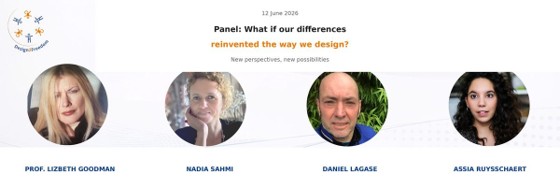
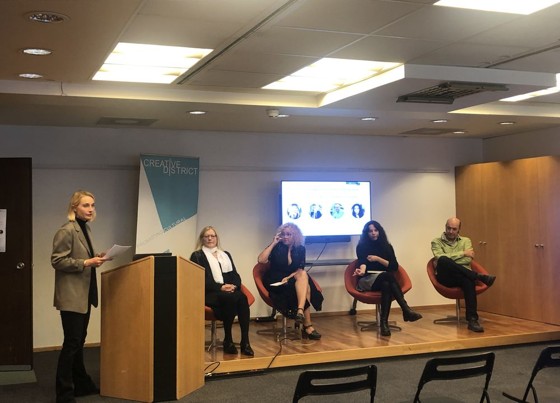
On June 12th, Creative District hosted its multiplier event in Brussels, bringing together designers, researchers, universities, associations and inclusion professionals for a morning of exchanges, debates and collaborative workshops — all centred around the question: "What if our differences reinvented the way we design?"
|
|
The highlight was an expert panel: Prof. Lizbeth Goodman (University College Dublin), Nadia Sahmi (architect, pluriversal accessibility), Daniel Lagase (Les Intouchables, adapted sport) and Assia Ruysschaert (UX & digital accessibility).
|
|
|
|
Universidad de A Coruña · Spain
|
March 26 & April 28, 2026
|
|
Two multiplier events — one in-person at the Faculty of Health Sciences (59 participants) and one virtual via Microsoft Teams (81 participants) — with active involvement of NGOs COGAMI and ASPACE Coruña.
|
95% of participants said the project would be useful in their academic or professional environment, and 95% would recommend this type of event to others.
|
COCEMFE · VIKO · TUKE
|
Spain · Lithuania · Slovakia
|
|
COCEMFE (Spain), Vilnius Kolegija (Lithuania) and the Technical University of Košice (Slovakia) also organised their own multiplier events, bringing together students, academics and professionals around the project's results in their respective countries.
|
|
|
|
|
|
|
|
Promoting Methodology for Inclusive Design in Slovak Higher Education
|
|
A two-day seminar in Košice gathered 52 participants — universities, ministries, NGOs and school advisors — to advance inclusive education practices in Slovakia.
|
|
|
|
WHAT COMES NEXT
Sustaining the impact of Design2Freedom
|
|
The end of the funding period does not mean the end of the journey. The end of EU funding marks the beginning of a new phase for Design2Freedom. All project resources — the Toolkit, MOOC, Good Practice Guide and Experience Map — remain freely accessible at design2freedom.eu, and the five consortium partners remain committed to advancing inclusive and person-centred design in higher education and beyond.
|
We have also just launched a dedicated Policy & Impact section on our website, bringing together policy briefs, pilot evidence and key findings for decision-makers, institutional leaders and European networks. If you work in policy, advocacy or institutional development, this page is for you — visit it at design2freedom.eu/policy-impact.
|
|
Whether you are a policymaker, educator, disability organisation or researcher, we invite you to build on this evidence base, adopt our methodologies, and join future initiatives.
|
Are you interested in joining a future European consortium on one of these topics?
|
|
• Inclusive and participatory methodologies in higher education
|
|
• Person-Centered Design applied to disability
|
|
• Co-design of assistive technologies with people with disabilities
|
|
• Universal accessibility in education and public spaces
|
• Social innovation for inclusion in the creative and cultural industries
|
|
Get in touch with our partners:
|
|
|
|
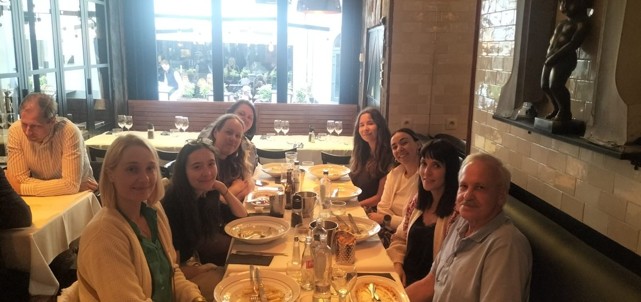
4th Transnational Meeting (TM4) · Creative District, Brussels · 11 June 2026
|
|
|
|
|
|
|
|
|
|
|
|
|
|
|
|
|
Funded by the European Union. Views and opinions expressed are however those of the author(s) only and do not necessarily reflect those of the European Union or the European Education and Culture Executive Agency (EACEA). Neither the European Union nor EACEA can be held responsible for them
|
|
|
|
|
|
|
|
|


